The modern search landscape has fundamentally shifted. For years, digital marketing strategies focused on a single primary goal: ranking in the top organic positions on search engine results pages to drive maximum click-through traffic to a website.
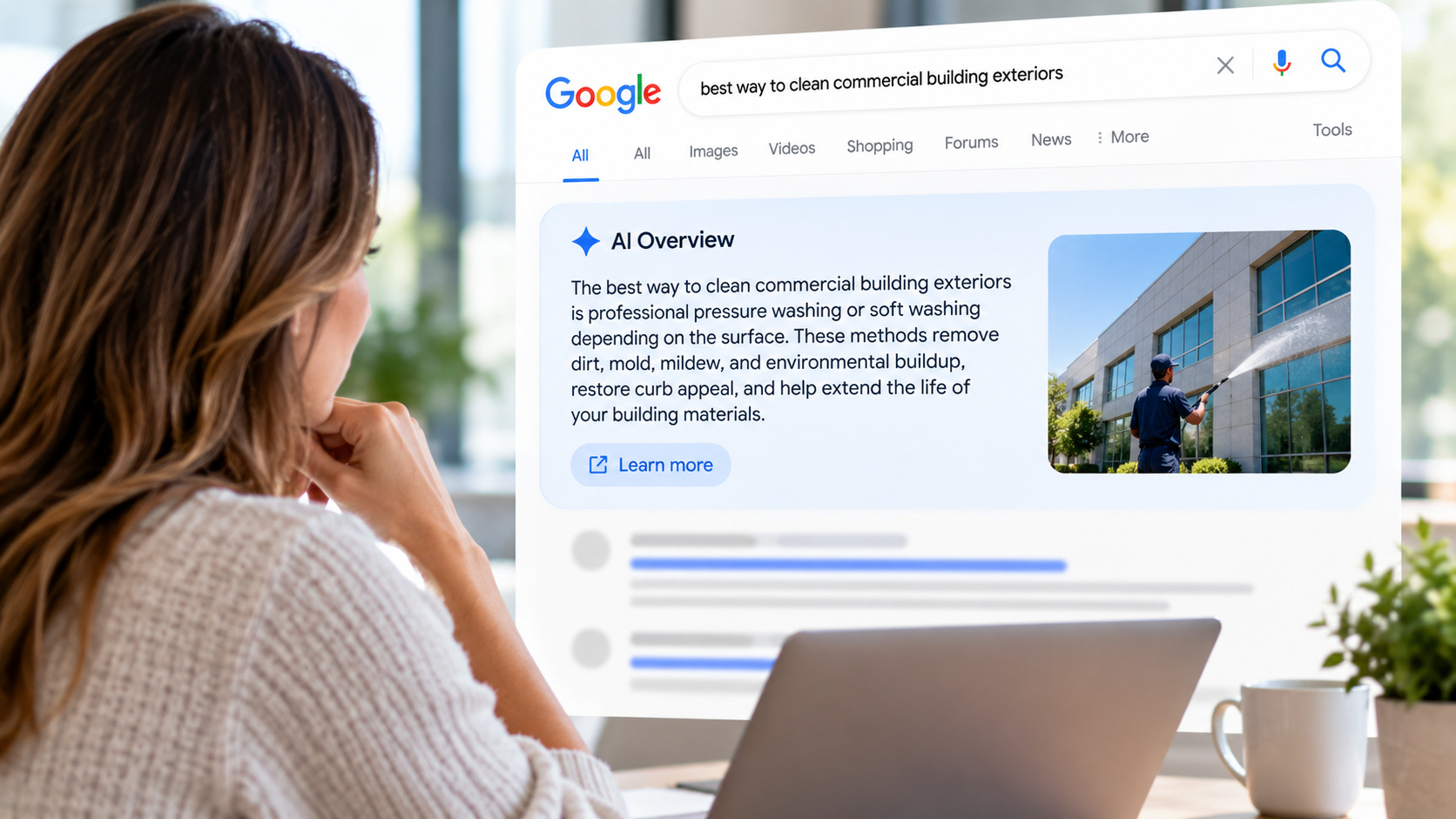
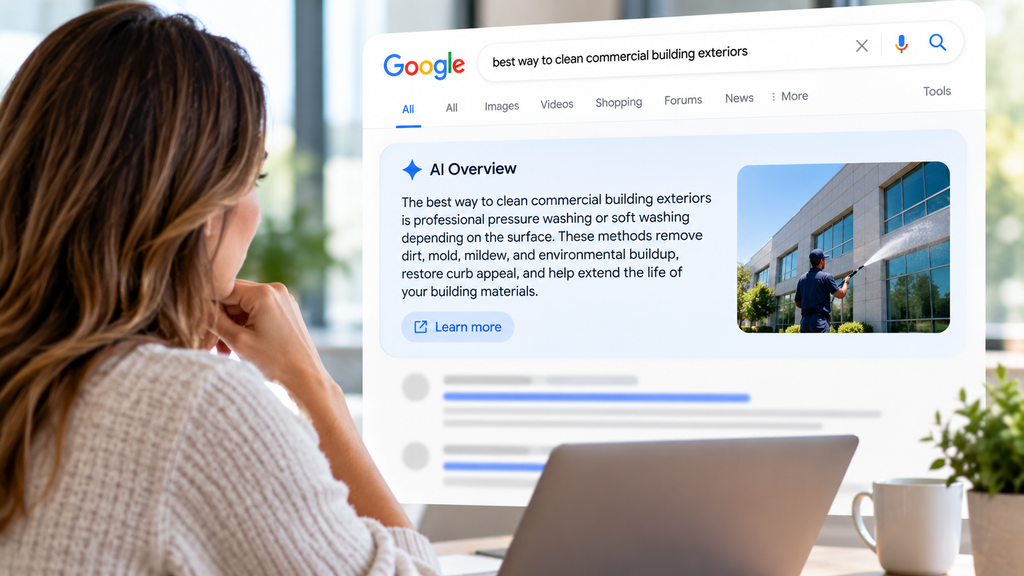
Today, generative search engines, conversational AI, and direct answer panels resolve user queries right on the results page. Known as zero-click searches, these queries provide immediate answers without forcing users to navigate to an external URL.
While losing traditional page visits can feel like a setback, zero-click searches present a powerful opportunity to position your brand as the definitive, primary authority in your industry.
1. What Is a Zero-Click Search?
A zero-click search occurs when a search engine answers a user’s query directly on the search results page (SERP) using AI overviews, featured snippets, knowledge panels, or interactive tools, eliminating the need for the user to click on any website link.
Rather than competing strictly for website sessions, brands must now optimize to become the trusted entity cited within these direct AI summaries.
2. Why Zero-Click Searches Are Increasing
Generative search technology is designed to save users time by aggregating key details from multiple web sources into a single, comprehensive response.
- Rise of Generative AI Search: AI engines analyze top-performing content across the web to synthesize direct answers for complex, conversational queries.
- Mobile-First Browsing Habits: Mobile users prefer immediate, quick answers over clicking through multiple search results and waiting for web pages to load.
- Expanded SERP Features: Search engines display expanded knowledge blocks, interactive calculators, business profile summaries, and quick definitions at the top of results pages.
3. How to Optimize Content for Zero-Click Visibility and AEO
Winning zero-click visibility requires structuring content so AI answer engines can easily process, verify, and cite your brand as the primary source of truth.
Structure Direct Answer Snippets
Place clear, direct statements immediately under main headers (H2s and H3s). Provide a concise summary within 40 to 60 words before expanding into detailed context. AI tools frequently pull these concise summary blocks into direct answer snippets.
Use Schema HTML Markup and Structured Data
Implement structured data (Schema markup) for FAQs, products, how-to guides, and organization details. Schema gives search engines clear, explicit context about your entities, making it easier for automated algorithms to parse your content accurately.
Format Information for Machine Extraction
Machine learning models excel at parsing organized lists and data tables. Whenever explaining multi-step processes or comparing options, use clean bullet points, numbered steps, and comparison tables.
Focus on Entity Authority and Niche Expertise
AI search tools evaluate source credibility before summarizing answers. Authoritative content that includes original research, clear expert perspectives, and consistent brand mentions builds the digital footprint needed to be selected as a featured citation.
Measuring Success in the Zero-Click Era
When users find your answer directly on search pages, success expands beyond traditional web analytics like session count and page views. Zero-click optimization drives direct brand recall, direct search volume, and qualified conversions when decision-makers seek out your team directly.
By designing content for fast AI extraction and entity clarity, you capture search mindshare and secure brand authority across modern answer engines.